





Ho Quoc Pagoda Phu Quoc: The Island’s Sacred Sea-Facing Temple
What To Do In Phu Quoc
Ho Quoc Pagoda, also known as Truc Lam Ho Quoc Monastery, is one of the largest pagodas in the Mekong Delta and one of Phu Quoc’s most popular spiritual destinations. Set on a hillside facing the sea, it draws both Buddhists and travelers looking for peace, beautiful architecture and a break from the beaches. This Rooty Trip guide covers its location, history, architecture, how to get there, and what to know before you visit.
About Ho Quoc Pagoda
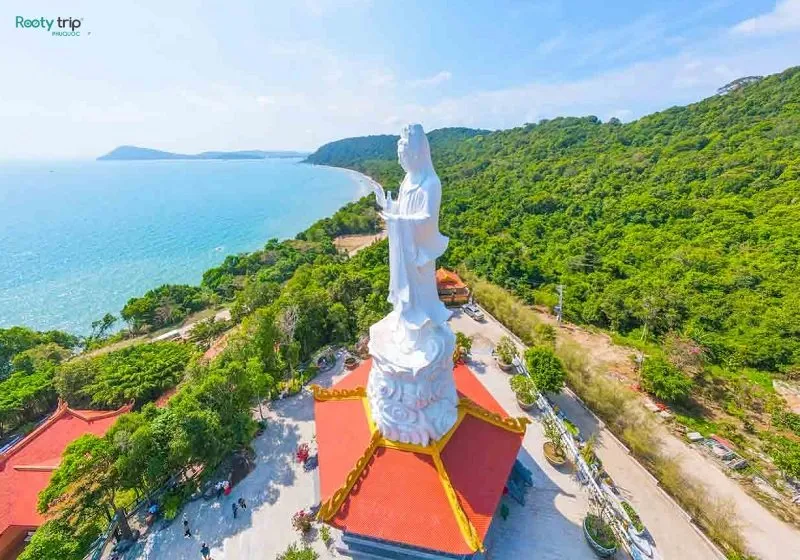
Where is Ho Quoc temple located?
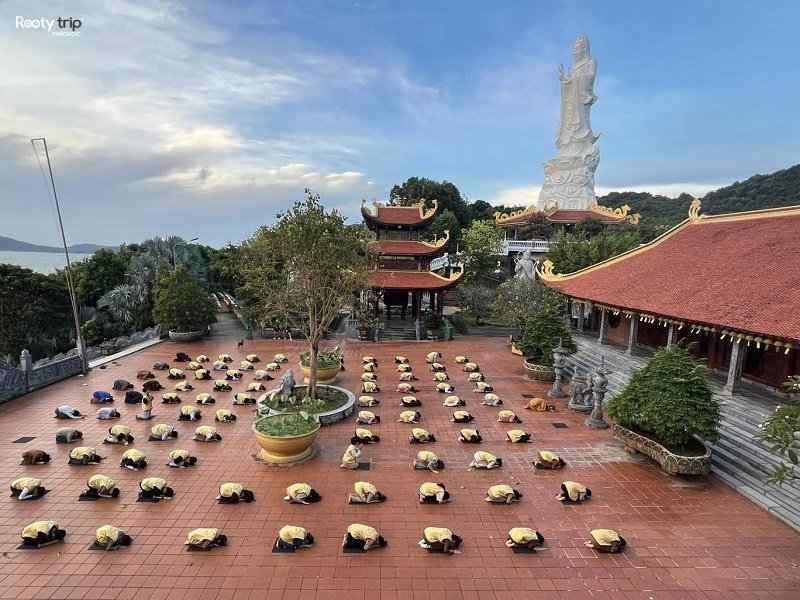
Ho Quoc Pagoda is famous for its majestic architecture, sacred atmosphere and peaceful, tree-filled setting on the slope of Hon Mot Mountain – back to the mountain, face to the sea.
- Address: Ap Suoi Lon, Duong To Commune, Phu Quoc, An Giang Province
- Location: about 25 km south of Duong Dong (around 40 minutes by road)
- Opening hours: 6:00 AM – 6:00 PM daily
- Entrance fee: free
- Area: around 110 hectares (including primeval forest)
History of Ho Quoc Pagoda
The name “Ho Quoc” reflects the wish for a pagoda that helps protect Vietnam’s borders – especially its southern seas and islands. Key milestones:
- October 2011 – construction began, covering around 110 hectares.
- December 2012 – the pagoda was officially inaugurated after about 14 months.
- 2013–2014 – further buildings were added to enhance the complex.
- 2014 to today – it has become a place to preserve Buddhist cultural values and a major spiritual tourism site.
The complex has eight main structures: the Tam Bao Hall, the Ancestral Hall, the Drum Tower, the Bell Tower, the Tam Quan Gate, the Abbot’s House, the Monks’ House and the Refectory. The Ancestral Hall honors the “Three Saints” of the Truc Lam Yen Tu Zen school – Nhan Tong, Phap Loa and Huyen Quang. The abbot is Venerable Thich Truc Thong Kien.
Architecture of Truc Lam Phu Quoc Monastery
Much of the pagoda is built from precious lim (ironwood), known for its exceptional durability. The style follows Ly-Tran dynasty architecture – gentle and modest rather than overwhelming, creating a sense of calm and purity with a strong Vietnamese character.
A signature highlight is the corridor leading to the main hall, carved in the style of a Tran-dynasty dragon: a large head with detailed mane and beard, meticulously carved scales, and a sinuous yet sturdy body.
Ly – Tran Dynasty Architecture
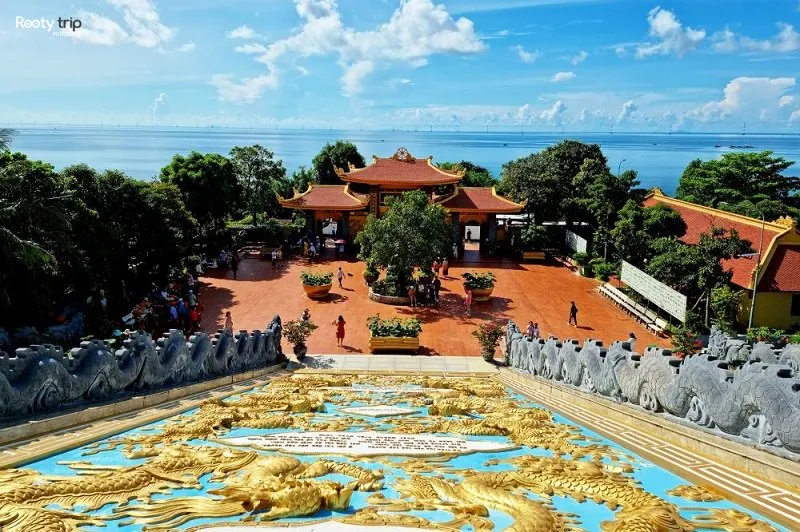
The corridor to the main hall is carved with the characteristics of the Tran dynasty dragon
Ho Quoc temple is located on the slope of Hon Mot Mountain, with its back to the mountain and its face to the sea – an ideal position that bears the strong imprint of Ly Dynasty construction.
The architectural style of the pagoda is gentle and modest, creating a difference compared to European architecture and other Asian countries. The architecture does not have a sense of overwhelming people, but on the contrary, it brings a feeling of peace and purity. Under the Ly Dynasty, this type of architecture had a strong national character, reflecting the gentle nature of the Vietnamese people.
Besides, the pagoda also has a unique highlight that is the corridor leading to the pagoda is made in the style of a dragon from the Tran Dynasty. The dragon’s head is large, with clear hair and beard, especially the dragon scales are meticulously carved and the body is sinuous but extremely sturdy.
The Scenery of Ho Quoc pagoda
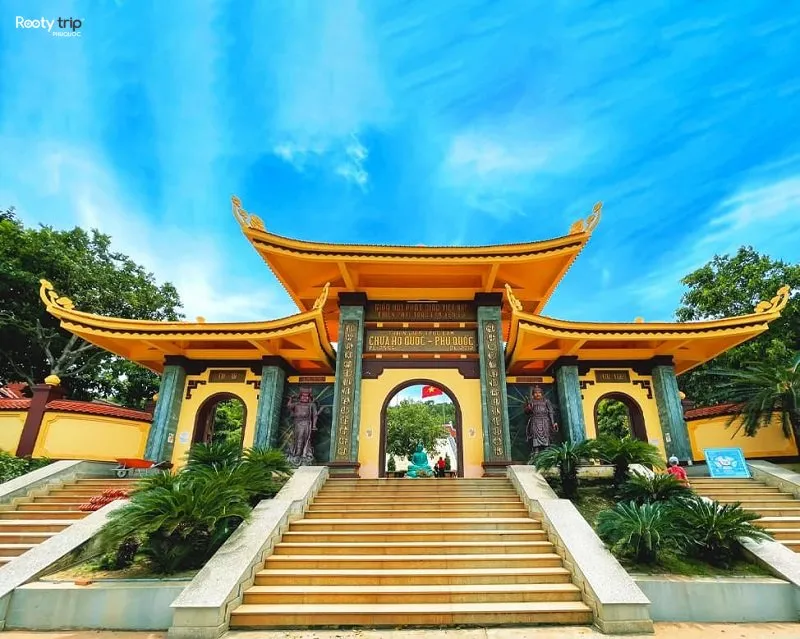
The gate of Ho Quoc temple is designed similarly to the Tam Quan Gate with 3 parts
Tam Quan Gate: This is the first point that visitors set foot on when they come to Ho Quoc pagoda. The gate is built in traditional architecture with 3 doors: Dia Giap Door, Bat Nhi Door, and Giai Thoat Door, and on both sides are statues of Dharma Protectors.
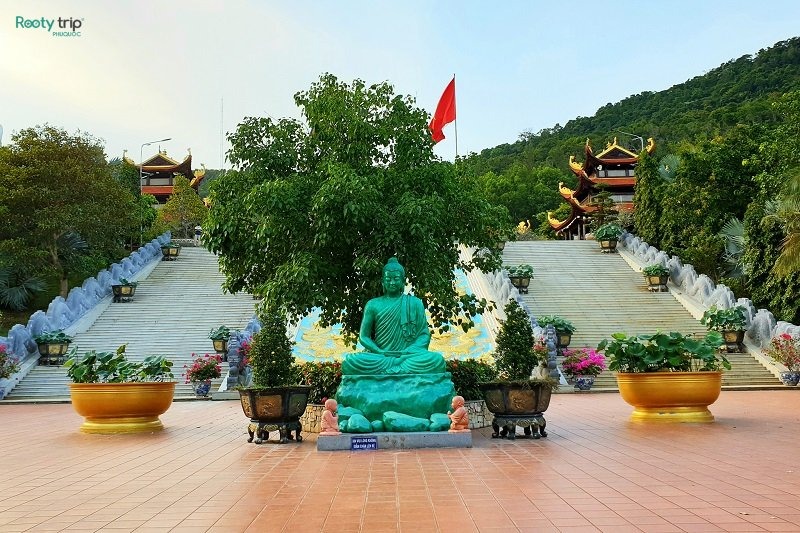
Jade Buddha statue at Ho Quoc temple Phu Quoc
Thien Tinh Stadium: Located behind the Tam Quan Gate, this is where visitors can admire the entire view of Ho Quoc pagoda. The yard is paved with stone, surrounded by rows of green trees. Here, there is a 3m high Buddha statue made of marble.
The painting of 4 dragons at the entrance to the main hall of Truc Phu Quoc Monastery
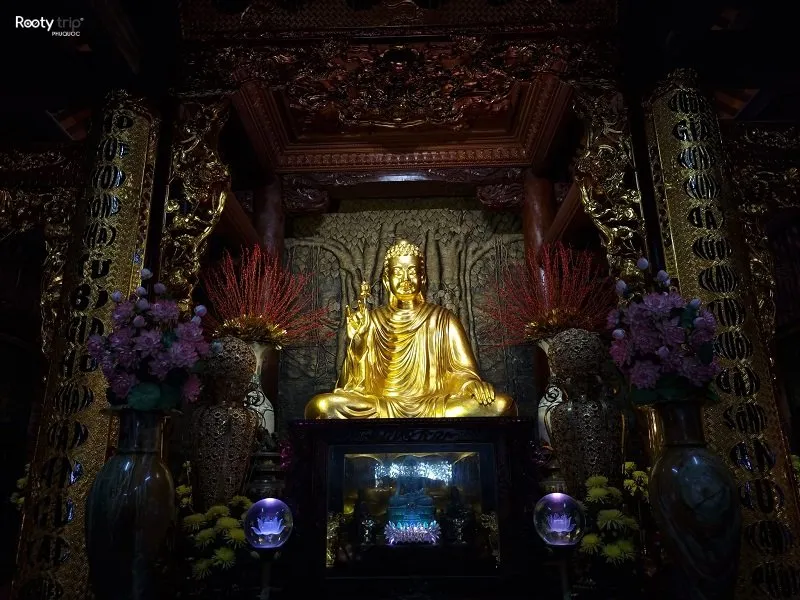
Main Hall: Passing through 70 steps, you will reach the main hall, the most important area of the pagoda. The main hall is lavishly decorated with many statues of Buddha and Buddhist paintings.
The ancestral hall of Truc Lam Phu Quoc Monastery
Ancestral Hall: The place of worship for the patriarchs of the Truc Lam Yen Tu Zen sect (Nhan Tong, Phap Loa, Huyen Quang).
How to get to Ho Quoc Pagoda
The pagoda is about 25 km south of Duong Dong (around 40 minutes). A car or private transfer is best for larger groups; a motorbike suits small groups who want a scenic, adventurous ride. The monastery has its own parking for both cars and motorbikes.
- From Duong Dong: head south and follow the coastal road toward An Thoi / Suoi Lon; the pagoda is well signposted near Hon Mot Mountain.
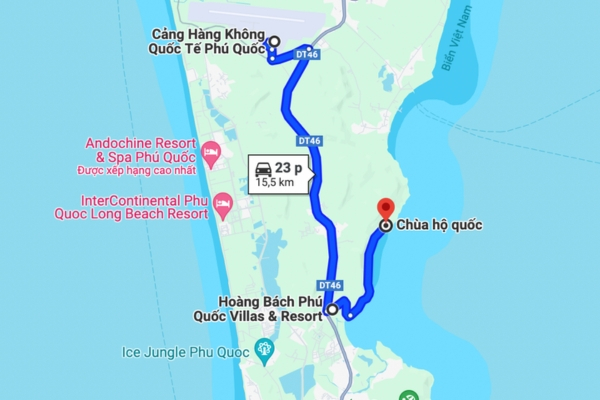
- From Phu Quoc Airport: it’s a short drive south – follow signs toward Suoi Lon / Truc Lam Ho Quoc Monastery.
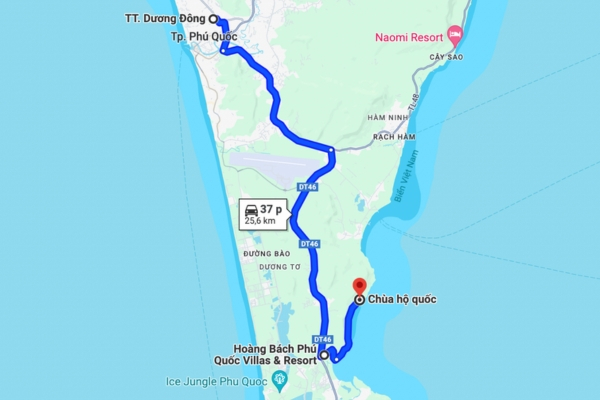
(Use Google Maps for turn-by-turn directions, or let Rooty Trip handle the transfer.)
What to know before you visit
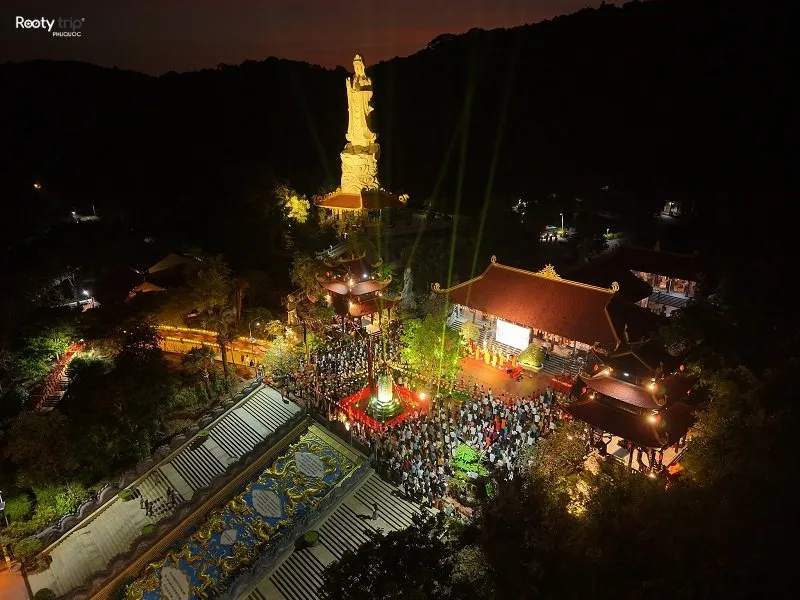
Buddhists chanting Buddha on a holiday at Hon Quoc Pagoda
- Entry is free, so anyone can enjoy the peaceful atmosphere.
- Best time: the dry season (November–April) – cool, sunny and comfortable. The rainy season (May-October) is lush but can bring sudden showers, so bring an umbrella.
- Dress code: dress modestly and respectfully – cover your shoulders and knees. Comfortable footwear helps for walking around.
- Etiquette: keep the grounds clean, speak softly, behave politely, and don’t take photos where it isn’t allowed.
Festivals worth timing your visit for
- Vu Lan Festival (7th lunar month) – a large ceremony honoring the deceased.
- Buddha’s Birthday (4th lunar month) – many Buddhist activities.
- Lunar New Year (Tet) – the pagoda is beautifully decorated and busy with visitors praying for a peaceful year.
Vegetarian food
Truc Lam Vegetarian Restaurant, within the monastery grounds, serves light vegetarian dishes and is the only vegetarian restaurant in the area.
- ⭐ 4.4/5 (29 reviews)
- 10:00 AM – 5:00 PM daily
Attractions near Ho Quoc Pagoda
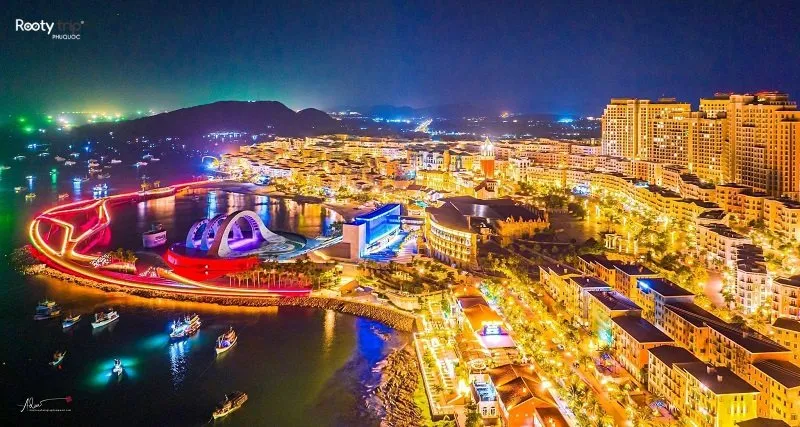
Sunset Town Phu Quoc
Easy to combine into a south-Phu-Quoc day:
- Phu Quoc Prison (Coconut Prison) – about 9.6 km (15 min). A moving historical site and “living witness” to the resilience of past generations. ⭐ 4.3/5 (7,622 reviews) · free entry.
- Sao Beach – about 10.2 km (18 min). One of Phu Quoc’s most beautiful white-sand beaches; free entry, with paid extras like sun loungers (~60,000 VND) and freshwater showers (~20,000 VND). ·⭐3.9/5 (8,147 reviews)
- Sunset Town – about 13.4 km (22 min). A “mini Mediterranean” with striking architecture, festivals and events year-round. ⭐ 4.6/5 (293 reviews) · free entry.
Frequently asked questions
Is there an entrance fee for Ho Quoc Pagoda?
- No – entry is completely free.
What are the opening hours?
- 6:00 AM to 6:00 PM daily.
What should I wear to Ho Quoc Pagoda?
- Dress modestly and respectfully – cover your shoulders and knees, and wear comfortable footwear.
How far is Ho Quoc Pagoda from Duong Dong?
- About 25 km south, roughly 40 minutes by road.
What is there to do near the pagoda?
- Combine it with Phu Quoc Prison, Sao Beach and Sunset Town for a full day in the south of the island.
ROOTY TRIP PHU QUOC
Address: 191 Tran Hung Dao Street, Cua Lap Ward, Phu Quoc Special Zone, An Giang Province
Phone/Whatsapp: 0886.068.886 – 033.906.2222
Email: cskh@rootytrip.com
Fanpage: https://www.facebook.com/rootytripphuquoc/
Instagram: https://www.instagram.com/rootytrip/
Share


Comment
Leave comments & reviews
Login to comment & rate
Related news
29
April
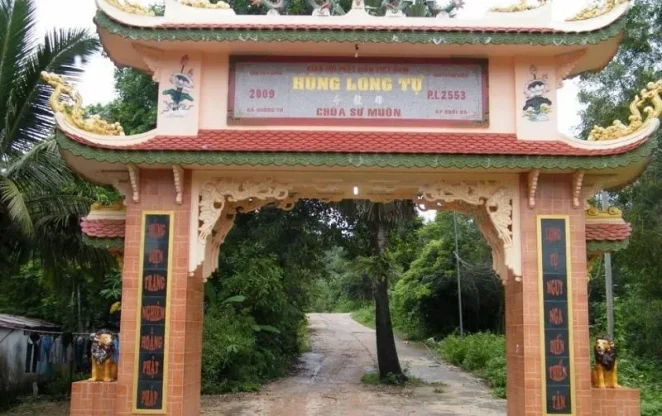
Su Muon Pagoda (Hung Long Tu) – Explore Phu Quoc’s spiritual tourist destination
Su Muon Pagoda (Am Su Muon) is a famous spiritual tourist destination in Phu Quoc, also known as Hung Long Tu Pagoda or Su Muon Pagoda. This is a place visited by many tourists thanks to its ancient and quiet appearance. In the article below, Rooty Trip will share with you information such as an […]
Read more
06
October
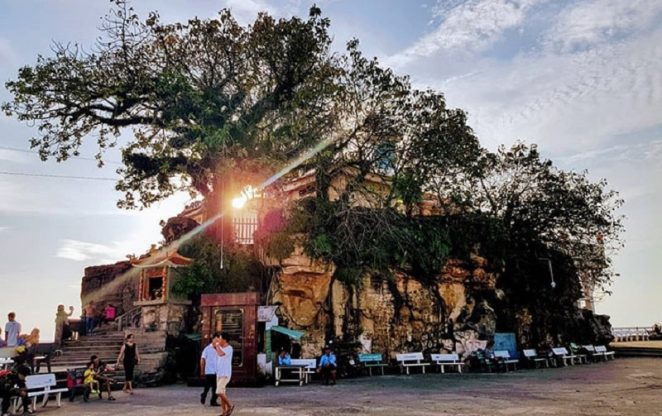
Dinh Cau temple Phu Quoc: Where Culture and Spirituality Intertwine on the Pearl Island
Dinh Cau Temple Phu Quoc is a historical, cultural, and spiritual relic with unique architecture that bears the strong imprints of Vietnamese culture. The site attracts visitors with its ancient and majestic beauty, and it serves as an important spiritual destination for locals. Join Rooty Trip on a journey to discover the spiritual site of […]
Read more
17
September
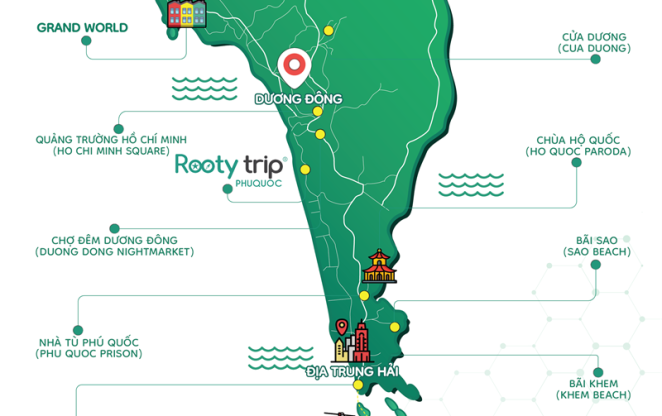
Phu Quoc Map 2026: Complete Island Guide by Area & Zone
Did you know Phu Quoc Island is larger than Singapore? Phu Quoc Quick Facts Total area: 574 km² (larger than Singapore) Length: ~50 km north to south Main zones: North (Ganh Dau), Central (Duong Dong), South (An Thoi), East (Ham Ninh) Travel time across island: ~1 hour by car (north to south) Top areas to […]
Read more
Maybe you will like it

Phu Quoc Wooden Boat Tour to Explore the Southern Sea
đ 800,000
đ 700,000 

8:30 AM - 3:00 PM
Modern Speed Canoe Transfers
Professional Tour Guide
Delicious 8-Course Seafood Lunch
Refreshments Onboard
Snorkeling & Swimming Equipment Provided
Special Gift for Each Guest
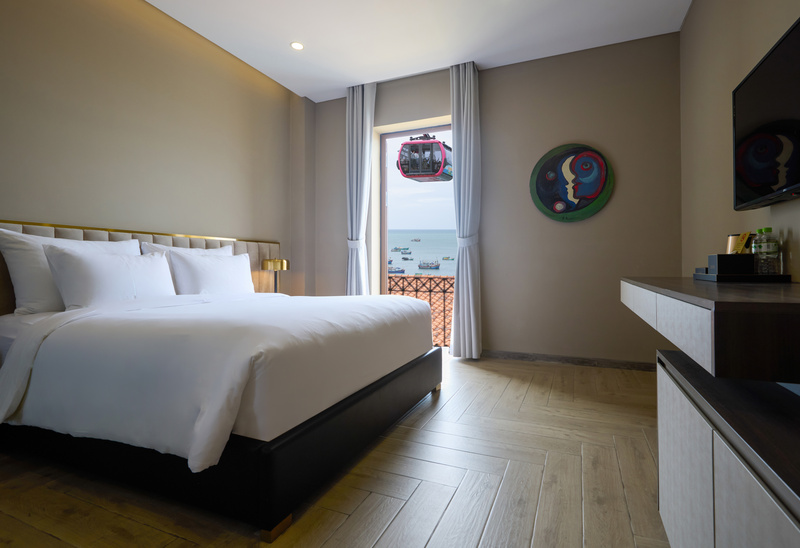
Duo by Casepia Phu Quoc | Cable Car & Fireworks Views
Contact

Hot
Casepia's newer sister, just 6 rooms
Balcony cable car & fireworks views
Big beds & fresh, stylish rooms
Short walk into Sunset Town
Best value combo package
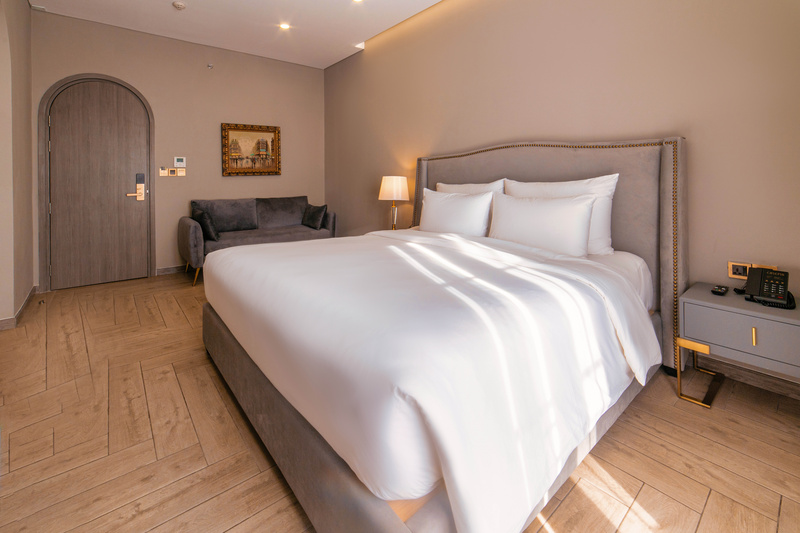
Casepia Sorrento Phu Quoc | Balcony Sunsets & Fireworks
Contact
Hot
Family-run boutique hotel in Sunset Town
Sea-view balconies with sunset & fireworks
Short walk to the Hon Thom cable car
Restaurant, bar & sea-view cafe
Best value combo package
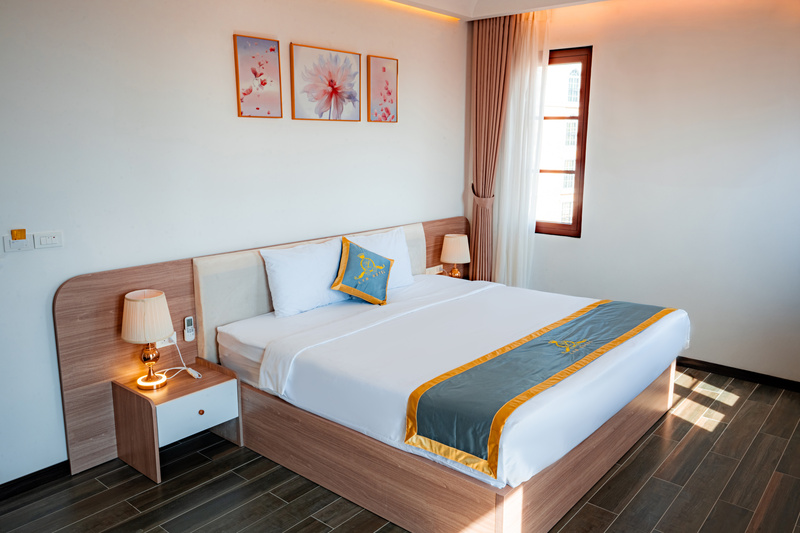
Lyn Hotel 2 Phu Quoc | Cozy Stay in An Thoi, Sunset Town
Contact
Hot
3-star hotel in Sunset Town
Steps from the beach & cable car
Walk to Kiss Bridge & sunset show
Daily breakfast & free WiFi
Best value combo package
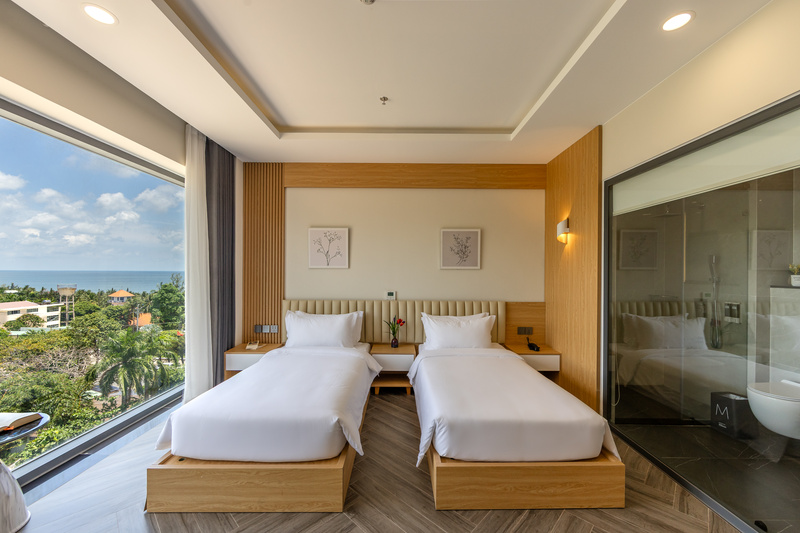
Daystar Hotel Phu Quoc | Sea-View Rooms in Town Centre
Contact
Hot
4-star hotel near Duong Dong
Balcony rooms with city or sea views
Rooftop pool with sunset views
Walk to the Night Market & beach
Best-value combo package
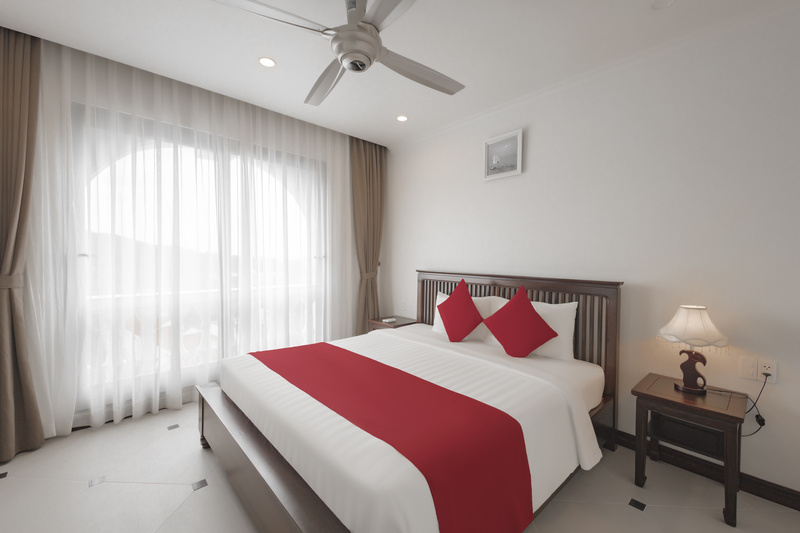
Praha Hotel Phu Quoc | 3-Star Family Hotel by the Sea
Contact
Hot
3-star hotel near Long Beach
Outdoor pool & poolside bar
Free airport shuttle & parking
Daily breakfast included
Best-value combo package