





Phu Quoc Coral Reefs – Explore Vietnam’s Underwater Paradise
What To Do In Phu Quoc
Have you ever wondered: What is coral? Is it an animal or a plant? With their dazzling colors and tree-like shapes fixed to the seafloor, corals are often mistaken for marine plants—or even strange underwater rocks. But science has revealed that corals are living animals with fascinating biology, unique reproduction, and a vital role in the marine ecosystem.
In this article, Rooty Trip will guide you through everything you need to know about corals-their structure, how they feed and reproduce, why they are often confused with plants, and their importance for ocean life.
What is Coral?
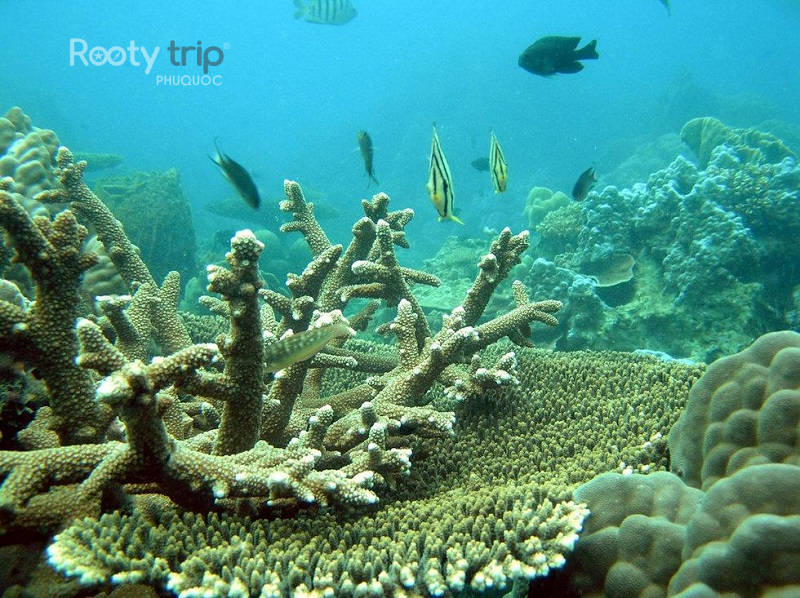
corals are actually invertebrate animals
Coral is a special marine organism belonging to the phylum Cnidaria, related to jellyfish and sea anemones. Despite looking like plants or stones, corals are actually invertebrate animals that live fixed on the seabed.
A coral colony is made up of thousands of tiny individuals called polyps. Each polyp is a small sac-like creature with a central mouth surrounded by tentacles. Polyps secrete calcium carbonate (CaCO₃), forming hard skeletons that protect their bodies and build coral reefs.
Types of Coral
-
Hard corals: Form skeletons of calcium carbonate and are the main builders of coral reefs.
-
Soft corals: Do not form solid skeletons but contain flexible calcium structures (sclerites). They live in deeper or shaded waters.
Coral Shapes and Habitat
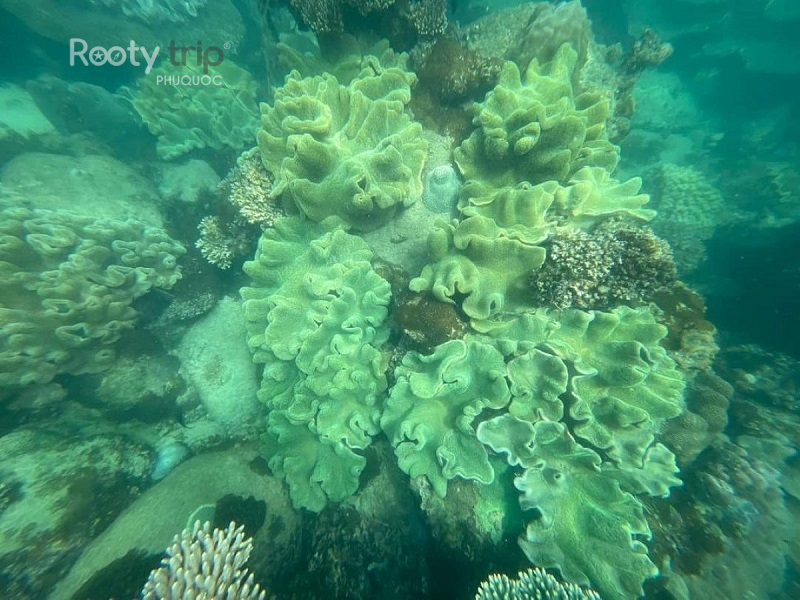
Microscopic algae called zooxanthellae
Corals come in many forms: branching like trees, carpet-like mats, bowls, or spheres. Their bright colors come from a symbiotic relationship with microscopic algae called zooxanthellae, which live inside their tissues and provide nutrients through photosynthesis.
Ideal conditions for coral growth include:
-
Water temperature: 23–29°C
-
Depth: 1–30 meters
-
Clear, nutrient-poor waters
Famous coral reefs include the Great Barrier Reef in Australia, as well as reefs in Phu Quoc, Nha Trang, and Con Dao in Vietnam.
Why Corals Are Animals
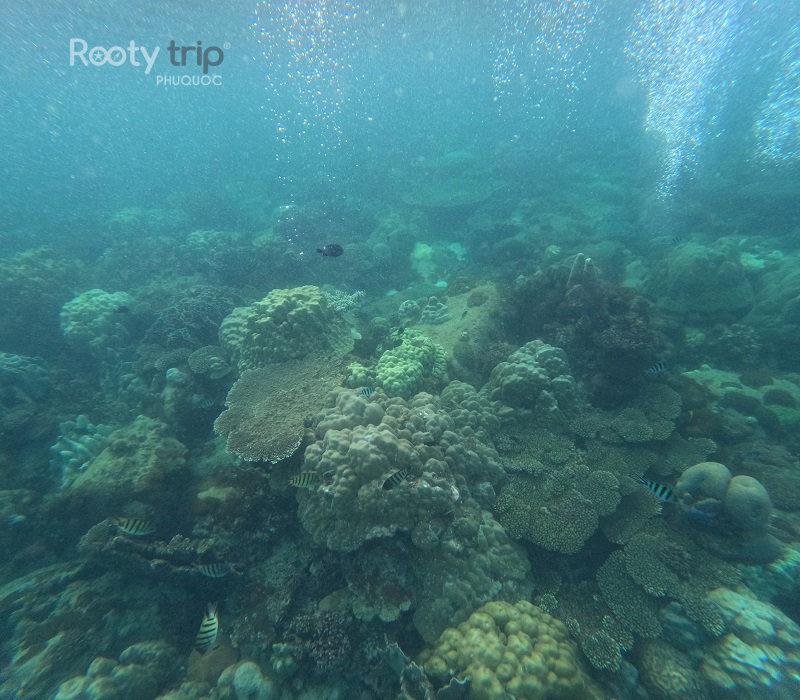
Why Corals Are Animals
Coral Polyps – The Basic Unit
Corals are built from polyps-tiny cylindrical animals with tentacles. These tentacles capture plankton and small prey at night. Corals also rely on their algae partners for up to 90% of their energy.
Biologically, polyps have:
-
A simple nerve net (no brain).
-
A single opening as both mouth and anus.
-
Stinging cells (cnidocytes) to paralyze prey.
Feeding and Reproduction
-
Feeding: At night, corals extend their tentacles to catch plankton. By day, they “eat sunlight” thanks to photosynthesis from algae.
-
Reproduction: Corals reproduce asexually (budding) and sexually (spawning), releasing eggs and sperm into the water-behavior unique to animals.
Why Corals Are Mistaken for Plants
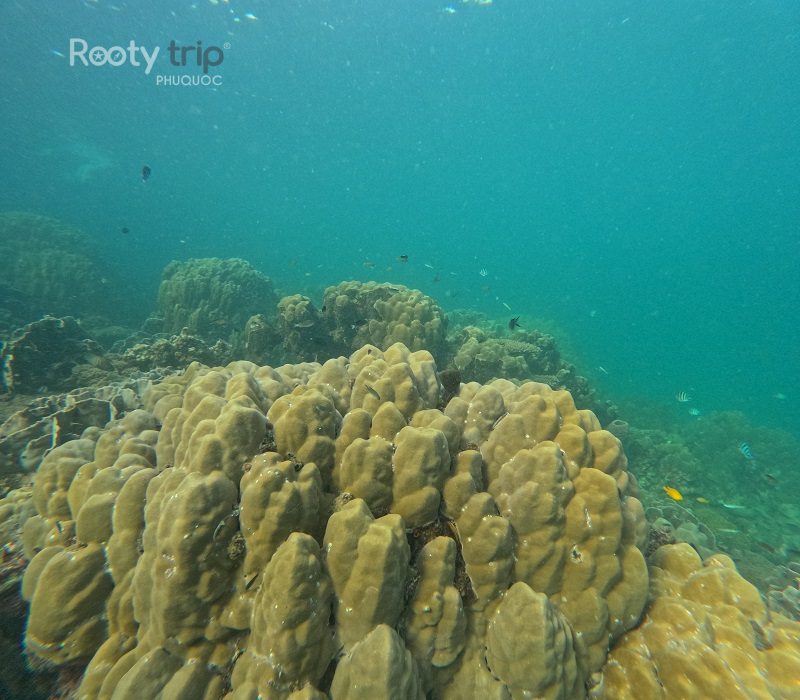
Why Corals Are Mistaken for Plants
-
Symbiosis with algae: Corals depend on sunlight through algae, just like plants.
-
Plant-like shapes: Many corals resemble trees, shrubs, or mushrooms.
-
Fixed lifestyle: Unlike most animals, corals do not move.
These traits make them look like plants, but scientifically, they are animals.
The Importance of Coral Reefs
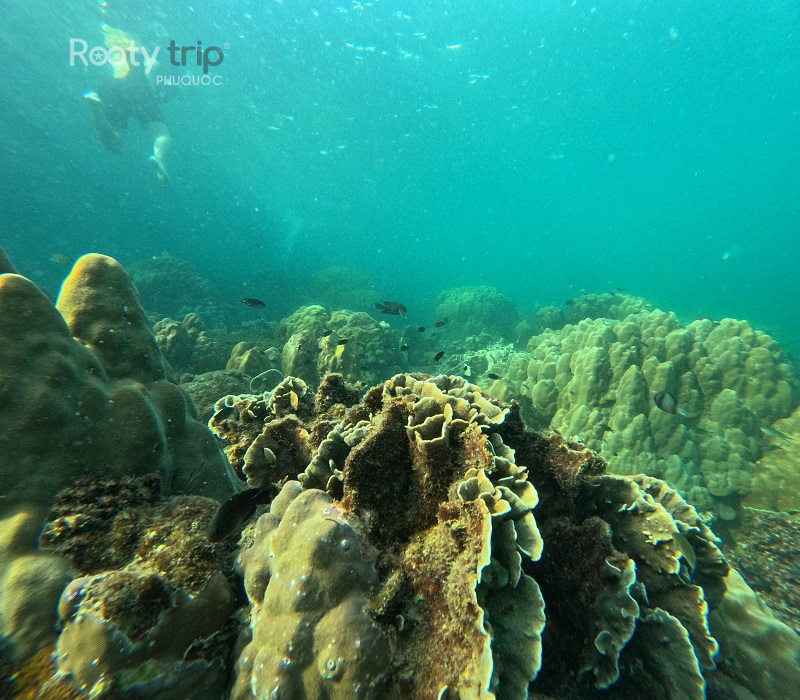
The Importance of Coral Reefs
-
Biodiversity: Though reefs cover less than 1% of the ocean floor, they support over 25% of marine life.
-
Coastal protection: Reefs act as natural barriers, reducing wave energy and preventing erosion.
-
Resources for humans: Corals provide genetic resources for medicine, biotechnology, and sustainable fisheries.
Sadly, corals are under threat from climate change, pollution, overfishing, and irresponsible tourism.
Fun Facts About Corals
-
Corals can glow: Some species emit bioluminescence, glowing beautifully under UV light.
-
Long lifespan: Some reefs are millions of years old, but they grow very slowly (1-3 cm per year).
-
Fragile ecosystems: Once damaged, coral reefs may take centuries to recover.
So, what is coral? The answer is clear: coral is an animal-not a plant. They may look like underwater flowers, but they breathe, feed, and reproduce like living creatures.
Corals are the foundation of marine biodiversity, protect coastlines, and symbolize the beauty of sustainable life. Protecting them means preserving the future of our oceans.
If you want to admire the stunning coral reefs with your own eyes, don’t miss snorkeling tours in Phu Quoc. Explore colorful reefs at Hon Mong Tay, Hon Gam Ghi, Hon May Rut, and many more with Rooty Trip.
Share


Comment
Leave comments & reviews
Login to comment & rate
Related news
28
October
What is snorkeling? Detailed snorkeling instructions for beginners
What is snorkeling? Snorkeling, or diving with a snorkel, is an exciting activity that helps you explore the beauty of the seabed without having to use complicated diving equipment. With a set of diving goggles, a snorkel, and fins, you can enjoy amazing underwater scenery with ease. This article will provide detailed information about what […]
Read more

05
September
Hon Thom Cable Car in Phu Quoc: 2026 Travel Guide
If you only have time for one unforgettable experience in Phu Quoc, the Hon Thom Cable Car should be high on your list. Stretching nearly 8 kilometers across the sea, the Hon Thom Cable Car offers panoramic views of the An Thoi Archipelago, with emerald islands, fishing boats, and turquoise waters below. The journey connects […]
Read more
Maybe you will like it
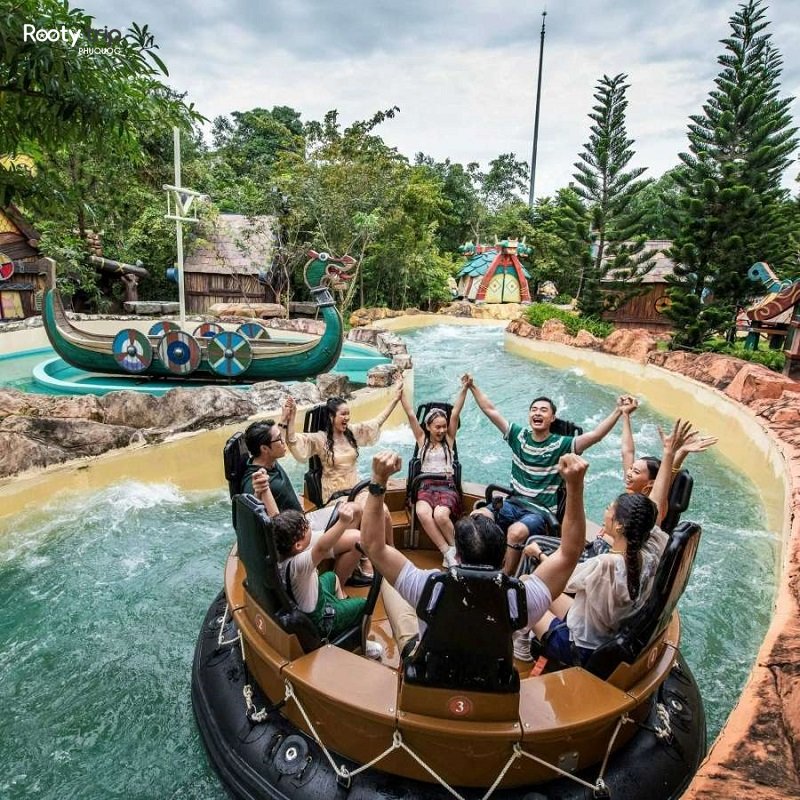
Phu Quoc Safari – VinWonders Full-Day Tour
đ 2,200,000
đ 2,150,000 

8:00 AM - 6:45 PM
VinWonders Phu Quoc
Vinpearl Safari
Buffet Lunch
Mermaid Show
Bird Show
Water Music Show

Phu Quoc Wooden Boat Tour to Explore the Southern Sea
đ 800,000
đ 700,000

8:30 AM - 3:00 PM
Modern Speed Canoe Transfers
Professional Tour Guide
Delicious 8-Course Seafood Lunch
Refreshments Onboard
Snorkeling & Swimming Equipment Provided
Special Gift for Each Guest
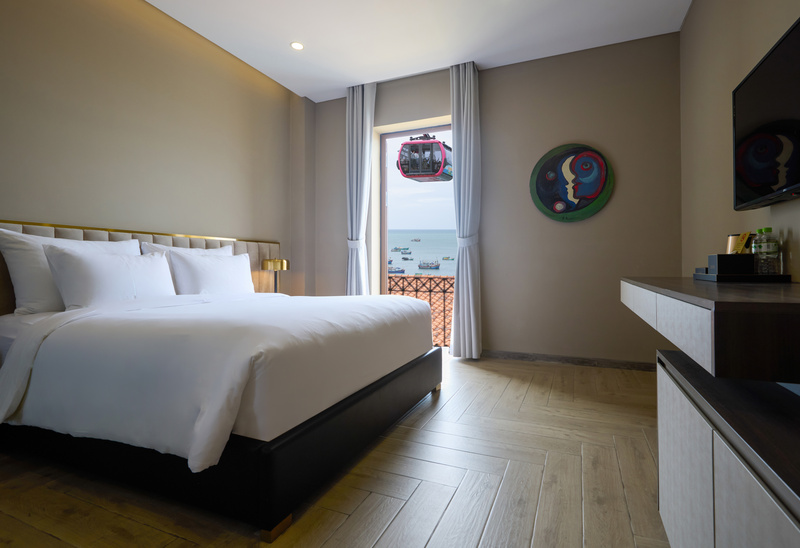
Duo by Casepia Phu Quoc | Cable Car & Fireworks Views
Contact

Hot
Casepia's newer sister, just 6 rooms
Balcony cable car & fireworks views
Big beds & fresh, stylish rooms
Short walk into Sunset Town
Best value combo package
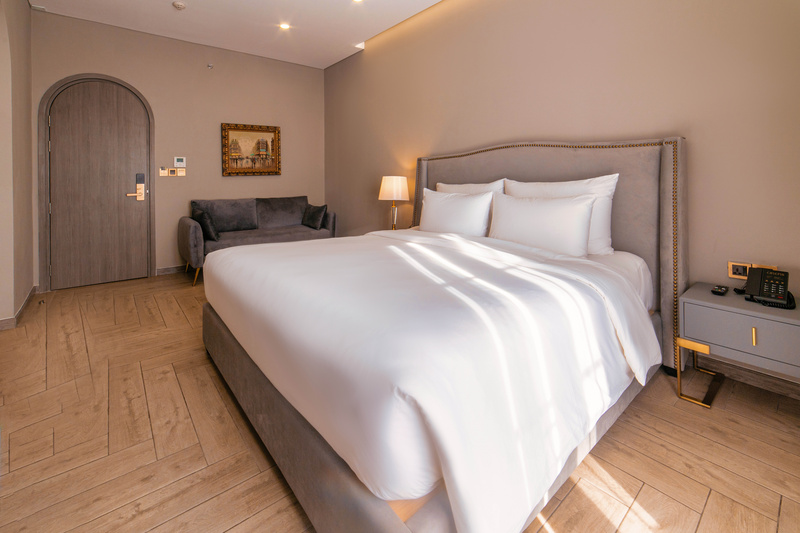
Casepia Sorrento Phu Quoc | Balcony Sunsets & Fireworks
Contact
Hot
Family-run boutique hotel in Sunset Town
Sea-view balconies with sunset & fireworks
Short walk to the Hon Thom cable car
Restaurant, bar & sea-view cafe
Best value combo package
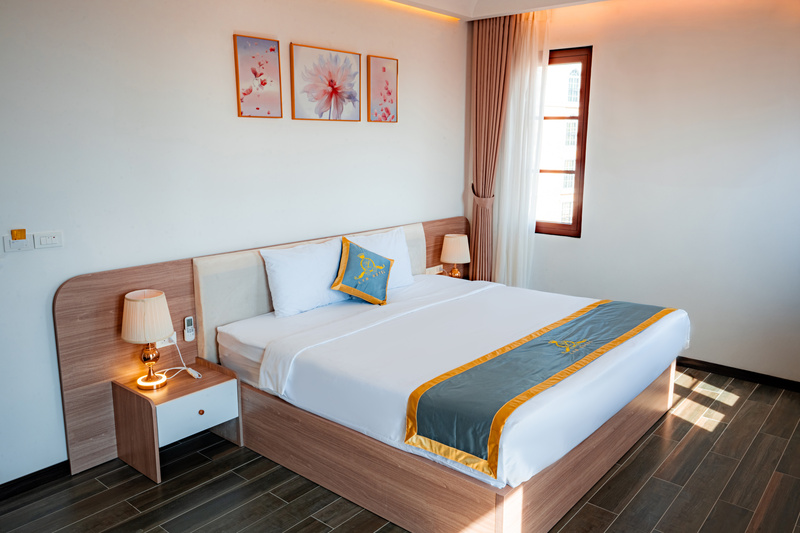
Lyn Hotel 2 Phu Quoc | Cozy Stay in An Thoi, Sunset Town
Contact
Hot
3-star hotel in Sunset Town
Steps from the beach & cable car
Walk to Kiss Bridge & sunset show
Daily breakfast & free WiFi
Best value combo package
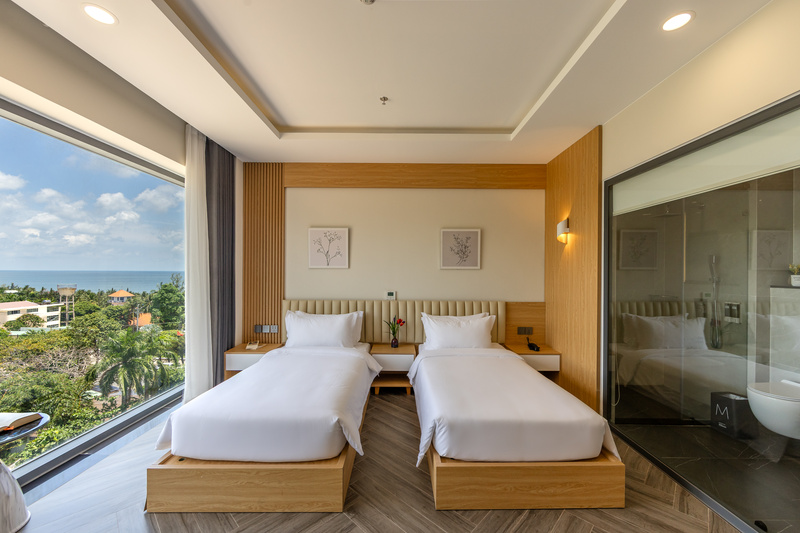
Daystar Hotel Phu Quoc | Sea-View Rooms in Town Centre
Contact
Hot
4-star hotel near Duong Dong
Balcony rooms with city or sea views
Rooftop pool with sunset views
Walk to the Night Market & beach
Best-value combo package