





When to Visit Phu Quoc: Weather, Seasons & Monthly Breakdown
Phu Quoc Travel Tips
Wondering when to visit Phu Quoc? The short version: November to April brings the best weather – dry, sunny, and calm seas that are perfect for beaches and island hopping. But every season has its upside, from lower prices to lush waterfalls. This Rooty Trip guide breaks down Phu Quoc’s weather month by month, along with crowds, costs, and what to pack, so you can pick the right time for your trip.
Short answer: The best time to visit Phu Quoc is November to April – dry season, with sunshine and calm water. May to October is the rainy season: cheaper and quieter, with the heaviest rain from July to September.
About Phu Quoc

Phu Quoc is also known as the Pearl Island
Phu Quoc is Vietnam’s largest island, covering about 589 km² in the Gulf of Thailand. It sits in An Giang Province, roughly 120 km by sea from Rach Gia on the mainland. Known as the “Pearl Island,” it’s famous for white-sand beaches, clear turquoise water, dense forest, and some of the best sunsets in the country. Part of the island lies within a recognized biosphere and marine reserve, which helps keep its nature so striking.
Because Phu Quoc has a tropical monsoon climate, the year splits cleanly into two seasons – a dry season and a rainy season – and knowing the difference is the key to timing your trip well.
When Is the Best Time to Visit Phu Quoc?
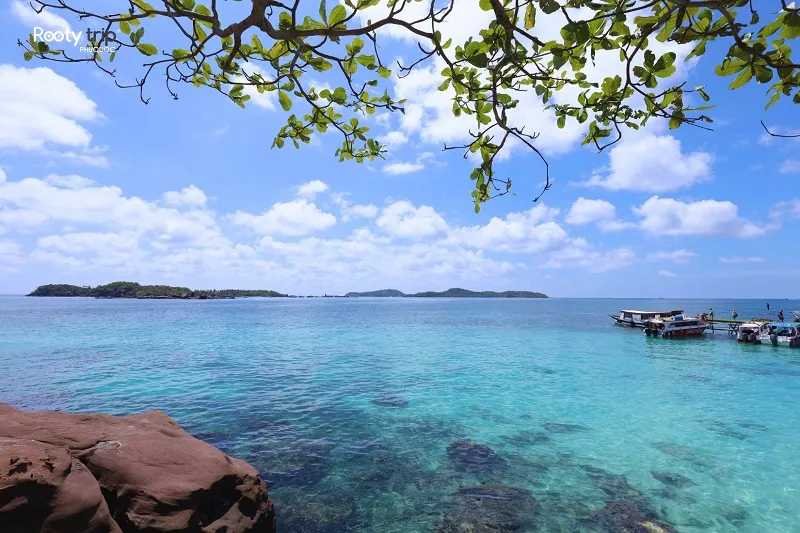
Rooty Trip encourages you to choose the time from October to April each year
The dry season (November to April) is the best overall time to visit. Skies are clear, the sun is warm without being punishing, rainfall is low, and the sea stays calm – ideal for swimming, snorkeling, the Hon Thom cable car, and cano (speedboat) island tours. Average temperatures sit around 27–28°C, occasionally climbing toward the mid-30s later in the season.
The trade-off is crowds. Peak season runs November to March – resorts and hotels fill up fast, especially around the night market and over Vietnamese holidays (Tet and the April 30 – May 1 break). If you travel then, book flights and hotels at least a month ahead to lock in prices and availability. April still delivers dry, sunny weather but with noticeably thinner crowds – a quiet favorite of ours.
Month-by-Month at a Glance
| Period | Weather | Sea | Crowds | Best for |
|---|---|---|---|---|
| Nov–Feb | Dry, cool, sunny | Calm | High | Best overall; beaches & island tours |
| Mar–Apr | Dry, hotter | Calm | Medium | Beaches with fewer crowds |
| May–Jun | First rains, hot & humid | Getting choppy | Low | Deals, quieter island |
| Jul–Sep | Wettest, humid | Rough (west/north coasts) | Low | Budget trips, waterfalls & streams |
| Oct | Rain easing off | Calming | Rising | Shoulder-season value |
Can You Visit Phu Quoc in Other Seasons?
Absolutely – it just depends on what kind of traveler you are. Here’s how the shoulder and low seasons compare.
Shoulder season (roughly May to June): The weather is transitional – the first rains arrive, but long sunny stretches remain – and visitor numbers drop off. This is a sweet spot if you want decent conditions with smaller crowds and lower prices on accommodation and transport.
Low season (July to September): This is the wettest stretch, but it comes with the year’s best deals on hotels, food, and activities. Rain often arrives in short, heavy afternoon bursts rather than lasting all day, so mornings can still be usable. If your goal is to relax, enjoy a resort, and save money, this can be a great – and peaceful – time to go.
Visiting Phu Quoc in the Dry Season

Traveling to Phu Quoc in the dry season
The dry season runs from November to April, with average temperatures around 27–28°C.
Pros:
- Reliable sunshine, little rain, and gentle waves – perfect for beaches and outdoor activities.
- The best conditions for island tours, snorkeling, and the Hon Thom cable car.
- Comfortable weather for exploring beaches like Sao Beach and Bai Dai.
Cons:
- It’s the busiest time of year; hotels and resorts book up quickly.
- Prices are at their highest, so early booking is essential.
Visiting Phu Quoc in the Rainy Season
The rainy season lasts from May to October, bringing heavier rain, rougher seas, more wind, and higher humidity – heaviest around July to September. It isn’t the classic beach-holiday window, but it has its charms. This is the best time to visit Phu Quoc’s waterfalls and streams, such as Tranh Stream and Da Ban Stream, when the water is full and cascading. Just avoid heading out on the heaviest rain days for safety.

Traveling to Phu Quoc during the rainy season
Pros:
- Low visitor numbers – ideal if you value peace and privacy.
- Significantly cheaper hotels, tours, and flights, with lots of promotions.
- Lush green scenery and full, photogenic waterfalls and streams.
Cons:
- Seas on the north and west coasts can be windy with big waves, so island-hopping tours may be cancelled.
- Better suited to resort-style relaxation than to sightseeing and outdoor adventures.
- Pack an umbrella and a waterproof bag, and keep your plans flexible.
What to Prepare Before Your Phu Quoc Trip

What to prepare when traveling to Phu Quoc?
A few essentials to sort before you go:
- Book early in peak season. For trips between November and March, reserve flights and hotels at least a month ahead to avoid sold-out rooms and price hikes.
- Bring your documents. ID or passport, booking confirmations, and travel tickets – you’ll need photo ID at hotel check-in and in emergencies.
- Pack for the season. Light, breathable clothes and swimwear for the dry season; add a rain jacket, umbrella, and waterproof bag for the rainy months.
- Skip the bulky items. Most 4–5 star hotels provide toiletries and hair dryers, so travel light.
- Book key experiences in advance. Popular activities like the cable car and island tours can sell out in high season – reserve ahead to save time and money.
Once your dates are set, browse the top things to do in Phu Quoc for each season, or jump straight to Rooty Trip’s Phu Quoc day tours to build the perfect island itinerary around your travel window.
Frequently Asked Questions
What is the best month to visit Phu Quoc?
- November to March offers the most reliable sunshine, calm seas, and comfortable temperatures of around 27–28°C. April is still dry and sunny, just hotter – a good pick for fewer crowds.
What months are the rainy season in Phu Quoc?
- May to October, with the heaviest rain from July to September. Rain often falls in short afternoon bursts rather than all day.
Is it worth visiting Phu Quoc in the rainy season?
- Yes, if you want lower prices and fewer crowds. Seas can be rough, so it’s better suited to resort stays, spas, and waterfalls than to island tours.
When is the cheapest time to visit Phu Quoc?
- July to September – the low season, with the best deals on hotels, flights, and tours.
When is Phu Quoc most crowded?
- Peak season is November to March, plus Vietnamese holidays like Tet and the April 30 – May 1 break. Book flights and hotels early.
ROOTY TRIP PHU QUOC
- Address: 191 Tran Hung Dao Street, Cua Lap Ward, Phu Quoc Special Zone, An Giang Province
- Phone/Whatsapp: 0886.068.886 – 033.906.2222
- Email: cskh@rootytrip.com
Share



Comment
Leave comments & reviews
Login to comment & rate
Related news

05
September
Hon Thom Cable Car 2026: Complete Guide to the World’s Longest Sea Ride
If you only have time for one unforgettable experience in Phu Quoc, make it the Hon Thom Cable Car. Stretching nearly 8 kilometers above the turquoise sea, this Guinness World Record attraction is officially the longest 3-wire sea-crossing cable car in the world. From 174 meters above the water, you’ll witness panoramic views of emerald […]
Read more

25
October
The 37 Best Places to Visit in Phu Quoc, From Beaches to Night Markets
Phu Quoc Island, located off the southern coast of Vietnam, is one of the country’s most popular beach destinations. Famous for its white-sand beaches, island-hopping tours, lively markets, and family-friendly attractions, Phu Quoc offers something for every kind of traveler. From modern entertainment complexes like VinWonders and Vinpearl Safari to peaceful fishing villages, cultural landmarks, […]
Read more

01
April
Sao Beach Phu Quoc 2026: Is It Still Worth Visiting? (Updated Guide & Prices)
Sao Beach (Bai Sao) has long been called the most beautiful beach in Phu Quoc. But in 2026 – with more tourists, more tours, and more beach clubs – is it still worth visiting? Located about 25 kilometers south of Duong Dong Town, Sao Beach is famous for its powder-soft white sand and calm turquoise […]
Read more
Maybe you will like it

Phu Quoc Wooden Boat Tour to Explore the Southern Sea
đ 800,000
đ 700,000 

8:30 AM - 3:00 PM
Modern Speed Canoe Transfers
Professional Tour Guide
Delicious 8-Course Seafood Lunch
Refreshments Onboard
Snorkeling & Swimming Equipment Provided
Special Gift for Each Guest

Duo by Casepia Phu Quoc | Cable Car & Fireworks Views
Contact

Hot
Casepia's newer sister, just 6 rooms
Balcony cable car & fireworks views
Big beds & fresh, stylish rooms
Short walk into Sunset Town
Best value combo package

Casepia Sorrento Phu Quoc | Balcony Sunsets & Fireworks
Contact
Hot
Family-run boutique hotel in Sunset Town
Sea-view balconies with sunset & fireworks
Short walk to the Hon Thom cable car
Restaurant, bar & sea-view cafe
Best value combo package
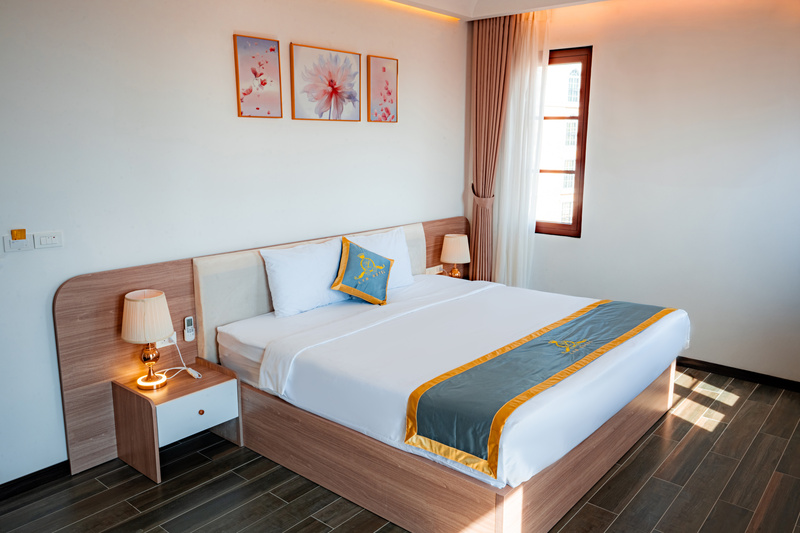
Lyn Hotel 2 Phu Quoc | Cozy Stay in An Thoi, Sunset Town
Contact
Hot
3-star hotel in Sunset Town
Steps from the beach & cable car
Walk to Kiss Bridge & sunset show
Daily breakfast & free WiFi
Best value combo package
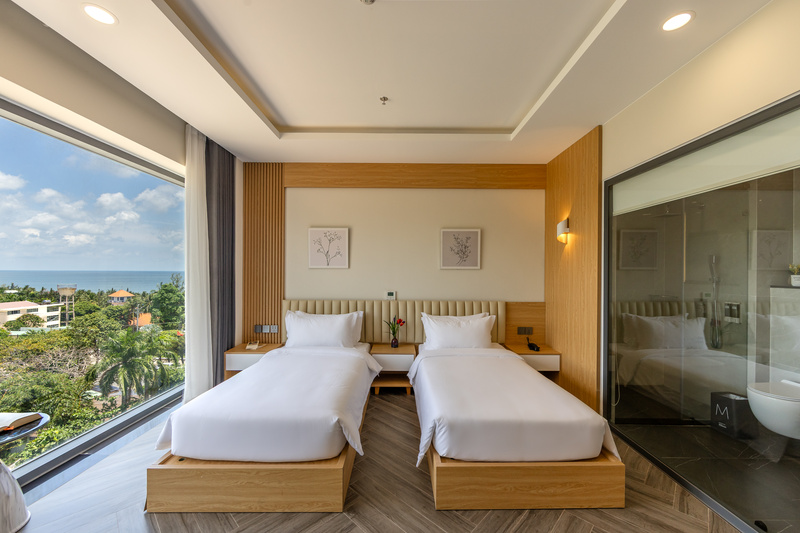
Daystar Hotel Phu Quoc | Sea-View Rooms in Town Centre
Contact
Hot
4-star hotel near Duong Dong
Balcony rooms with city or sea views
Rooftop pool with sunset views
Walk to the Night Market & beach
Best-value combo package
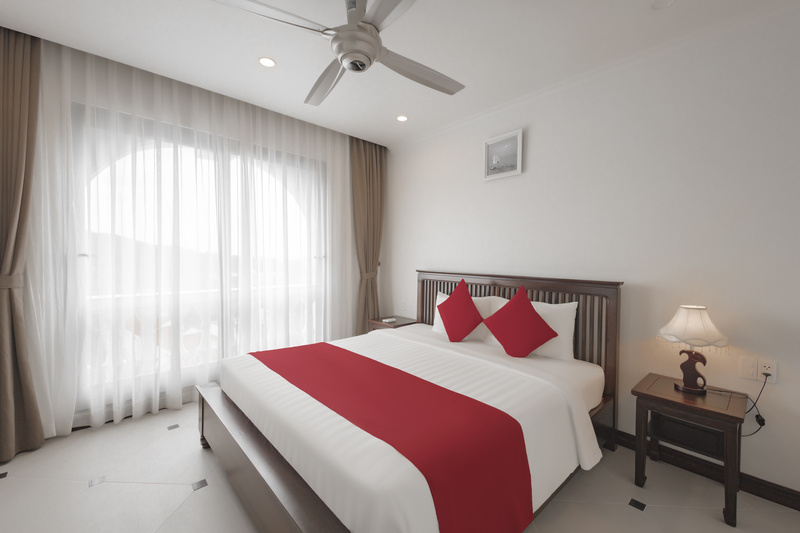
Praha Hotel Phu Quoc | 3-Star Family Hotel by the Sea
Contact
Hot
3-star hotel near Long Beach
Outdoor pool & poolside bar
Free airport shuttle & parking
Daily breakfast included
Best-value combo package